When the Drain Wins: Fixing a Stubborn Blockage in Barra Funda
Most guides tell you what a desentupidora does. They leave out the part you actually need: what to do when you have already plunged, poured, and waited, and the water still will not go down. If you are standing over a backed-up drain in Barra Funda right now, the short answer is that a blockage that survives DIY attempts is usually deeper than the trap or caused by something a plunger cannot move. That is when you stop treating the symptom and call a desentupidora em Barra Funda São Paulo SP.
This is written the way I teach it to beginners: question first, then the answer that actually helps. Barra Funda mixes old residential buildings, commercial kitchens, and busy ground-floor units, so the same symptom can come from three different causes. Below are the questions people ask after their first attempt fails, answered in the order they usually come up.
Why did my first attempt at clearing the drain fail?
Because most DIY methods only reach the first meter or two of pipe. A plunger creates pressure at the opening; a hand snake bends at the first tight turn; a chemical bottle dissolves grease near the surface and then sits there. If the obstruction is twenty meters down the building’s main line, none of that touches it.
There is also the shape of the problem. Barra Funda has a lot of older plumbing where cast iron or clay pipes have accumulated scale, roots, or a sagging section that traps debris. A plunger cannot fix a belly in the pipe, and no amount of hot water will clear a root intrusion.
What should I check before calling anyone?
Three quick checks tell you a lot. First, does more than one fixture back up? If the kitchen sink and the bathroom floor drain both gurgle, the problem is in the shared branch, not the individual trap. Second, does the water drain slowly or not at all? Slow drainage points to buildup; complete stoppage often means a solid obstruction or a collapsed section. Third, is there a smell or overflow in an area you did not use? That usually means the blockage is downstream and pushing waste back through the lowest point.
Write down what you see. When the technician arrives, that description saves time and often money, because it points to the right equipment before anyone opens a cleanout.
Is it safe to keep using chemical drain cleaners?
Stop after one attempt. Repeated chemical use is one of the most common mistakes I see. The caustic products generate heat, and in old pipes that heat can soften joints or crack already-thin walls. If the first dose did not clear it, a second dose usually just adds a pool of caustic liquid that the technician then has to work around safely.
There is also a practical cost. Chemicals that fail to clear the line still have to be flushed out, and some professional methods work better when the pipe has not been filled with a corrosive residue. One attempt is reasonable. Two is a gamble.
What does a professional desentupidora actually do differently?
The difference is not muscle. It is inspection and the right tool for the pipe diameter and blockage type. A trained team starts by locating the problem, not by guessing where to push. That is the core of what you are paying for.
For a residential or commercial line in Barra Funda, the sequence usually looks like this:
- Locate the blockage. Access points, cleanouts, and sometimes a camera determine where the obstruction sits and what it is made of.
- Choose the method. A drain snake or auger for solid obstructions near a cleanout; hydro jetting for grease, scale, and buildup along the pipe walls.
- Clear and verify. The line is flushed and checked to confirm flow, not just that water disappeared.
- Report and advise. You get told what caused it and what to watch for, so the same call is not repeated next month.
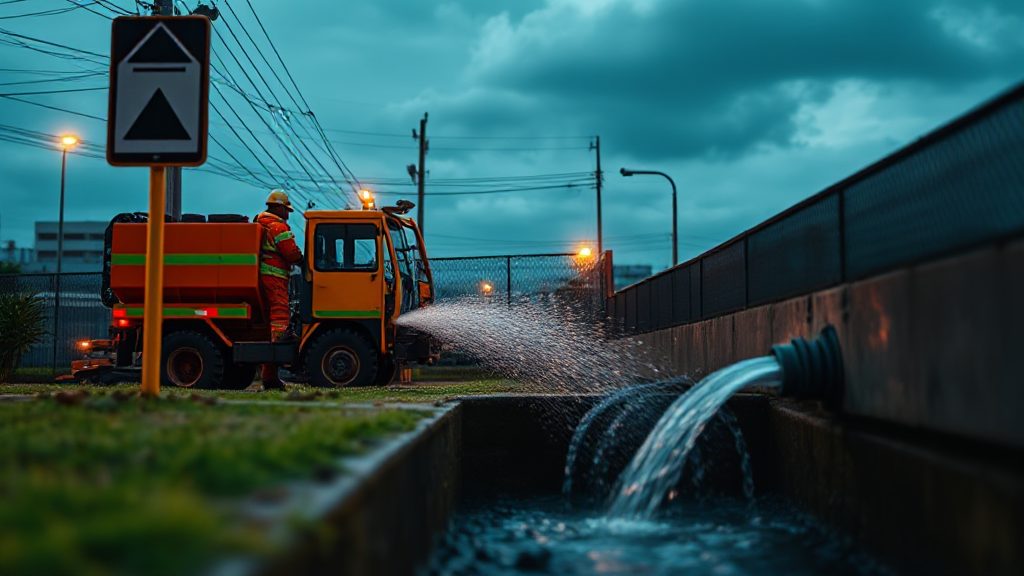
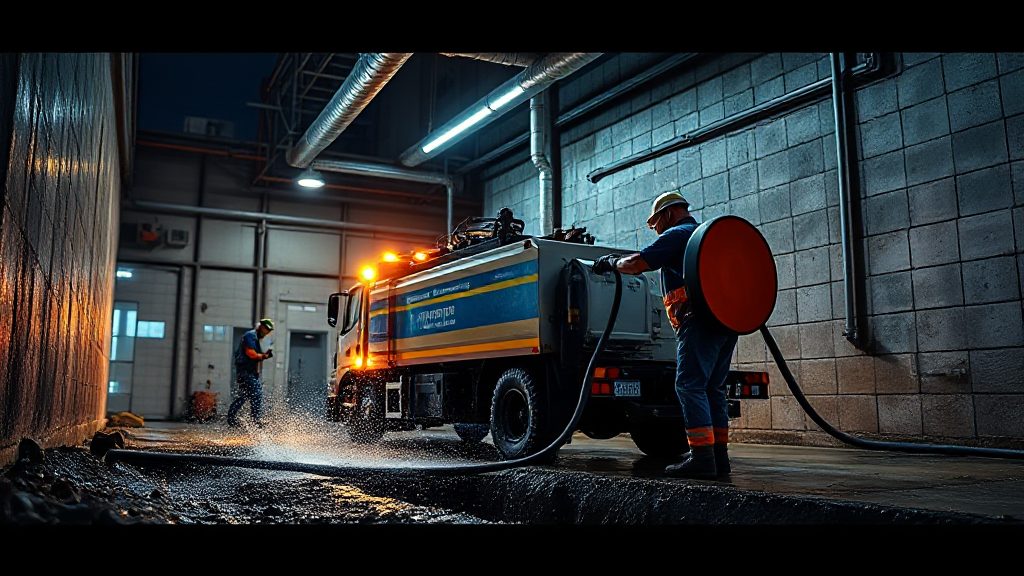
Hydro jetting deserves a separate mention because it is the method most people have never seen. It uses high-pressure water directed backward through a hose to scour the inside of the pipe. It removes grease and scale that a snake only pokes through. For a restaurant kitchen or a building with years of accumulated residue, that difference is the reason the blockage stays gone instead of returning in three weeks.
Which method fits which problem?
| Problem | Typical method | Why |
|---|---|---|
| Single sink or shower backing up | Hand snake or small auger | Obstruction is close to the trap |
| Multiple fixtures slow or backing up | Machine snake or hydro jetting | Blockage is in the shared branch or main line |
| Grease and scale in a commercial kitchen line | Hydro jetting | Scours the pipe wall rather than punching a hole |
| Recurring backups after clearing | Camera inspection, then jetting or repair | Recurrence usually means a structural cause |
This table is a guide, not a diagnosis. The point is that the method should match the evidence, and a good technician will explain the choice before starting.
What does emergency 24-hour service change?
A blockage at 2 a.m. in a building with ground-floor units is not the same problem as a slow sink on a Tuesday afternoon. Wastewater can reach apartments, damage stock in a shop, and create a health issue fast. That is why emergency availability matters more than the hourly rate in those moments. A desentupidora Barra Funda that answers at night and arrives with equipment ready prevents the secondary damage that costs far more than the service call.
If you are a building manager, the useful question is not “who is cheapest” but “who can be here in an hour with a jetting machine and a camera.” Ask that before you need it.
What should you ask and expect before the work starts?
You are not being difficult by asking questions. You are protecting the pipe, the property, and your budget. Here is what a professional conversation sounds like before anyone turns a valve.
How is the price set?
Most reputable providers quote based on the type of blockage, the access point, the equipment needed, and the time of day. A simple trap clearing is not priced like a main-line hydro jetting job at midnight. Ask for the price to be confirmed before work begins and ask what could change it. If a technician discovers a collapsed section or root intrusion, that is a different job, and you should be told before the meter runs.
Be cautious with any quote given before the blockage is located. It is either a rough estimate or a guess. A fair provider explains the range and the variables.
Will the work damage old pipes?
This is the right question for Barra Funda’s older buildings. Hydro jetting pressure is adjustable, and a trained operator matches it to the pipe material and condition. A camera inspection before jetting old clay or corroded cast iron is not overkill; it is how you avoid turning a blockage into a repair. Ask whether the team inspects first when the pipe age is unknown.
What about access and cleanup?
Ask where the equipment will enter, whether cleanouts are accessible, and who cleans up afterward. A professional job includes containing the mess, not just clearing the line. In apartments and commercial units, access through a hallway or stairwell needs to be planned, especially outside business hours.
When should you call a desentupidora instead of a general plumber?
Call a desentupidora when the problem is flow: water backing up, slow drains, recurring clogs, sewage odors, or a line that keeps blocking after clearing. Call a general plumber when the problem is a broken fixture, a leaking joint, or a supply-line issue. Many companies handle both, but the equipment and expertise for clearing a main line are not the same as for replacing a faucet.
If you are unsure, describe the symptom and let the provider tell you which service fits. A desentupidora Barra Funda São Paulo SP handles the flow problems and can advise when a repair is the real answer.
What prevents the same blockage from coming back?
Prevention depends on the cause. If it was grease, the fix is how the kitchen disposes of oil, not a monthly call. If it was roots, the fix is a camera inspection and possibly a repair. If it was scale in an old line, periodic jetting may be the practical maintenance. The useful takeaway is that a cleared drain is not a solved problem until you know why it blocked.
For buildings and restaurants, a simple maintenance schedule beats emergency calls. For households, the habits are basic: no grease down the sink, no wipes or hair in the drain, and a strainer in every shower. Those three habits prevent most of the calls I see.
So here is where this ends, trainer to beginner. If your first attempt failed, do not repeat it harder. Identify whether the problem is local or shared, stop adding chemicals, and get someone who can locate the blockage and match the method to it. The drain did not win. You just have not used the right tool yet.